Kathmandu, Nepal | May 26–29, 2026
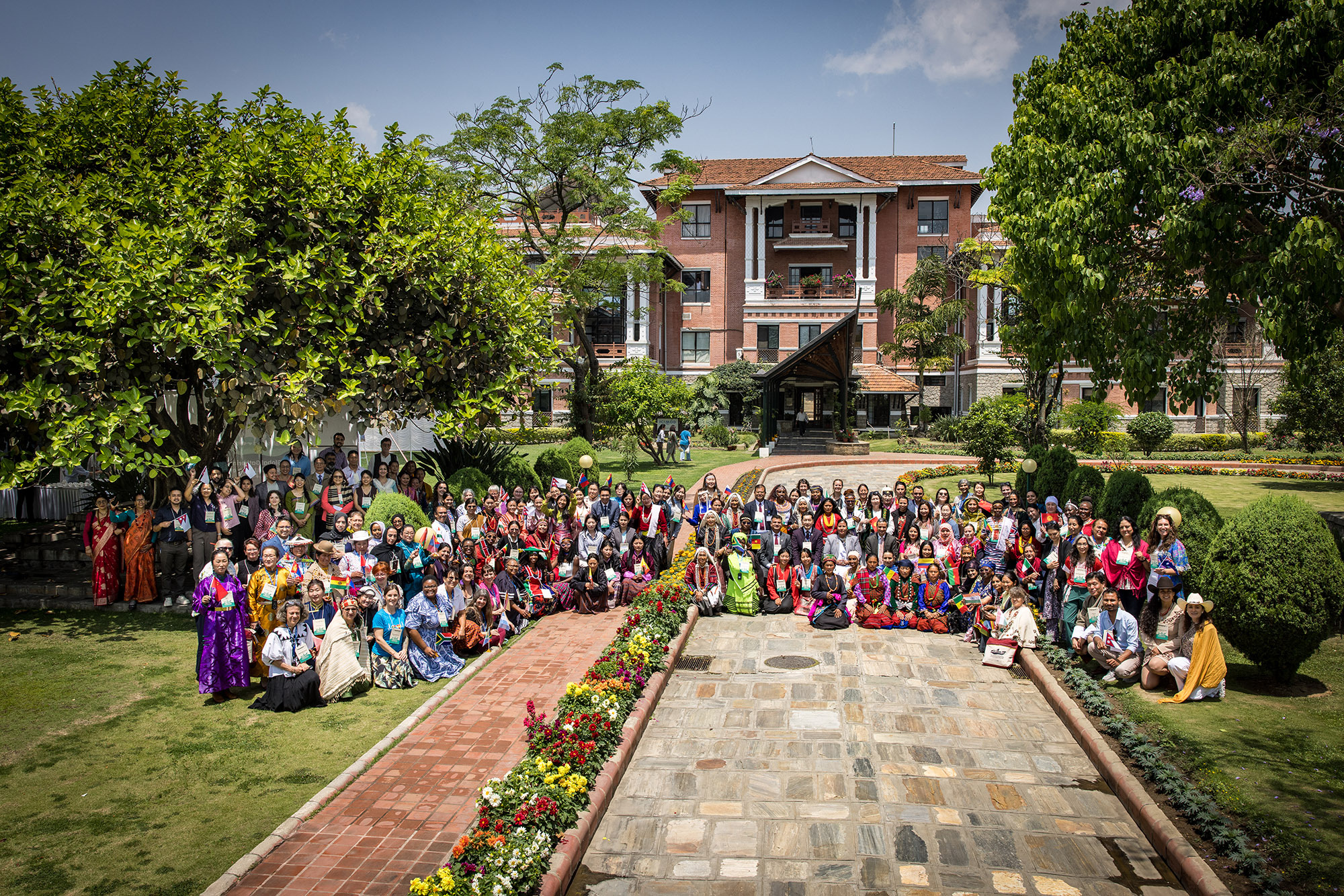
More than 90 pastoralist women from 40 countries representing every inhabited continent gathered in Kathmandu, Nepal, for the historic Global Gathering of Pastoralist Women (GGPW). The event brought together women leaders, knowledge holders, researchers, entrepreneurs, and youth from diverse pastoralist communities to identify shared priorities for a more just, resilient, and peaceful future while strengthening global solidarity among pastoralist women.
The gathering marked an important milestone in the lead-up to the International Year of Rangelands and Pastoralists 2026 (IYRP) and the International Year of the Woman Farmer. Through four days of participatory discussions, cultural exchange, and collaborative planning, participants worked together to develop a common vision for advancing the rights, recognition, and resilience of pastoralist women worldwide.
Among the participants were reindeer herding women from Arctic Indigenous communities, who contributed their perspectives and experiences alongside pastoralist women from Africa, Asia, Latin America, North America, and Europe. Their participation ensured that the voices of Indigenous reindeer herding women were represented in global discussions on climate change, food systems, land stewardship, traditional knowledge, and community resilience.
Sharing the Voices of Reindeer Herding Women
Reindeer herding women actively engaged in thematic discussions throughout the gathering, sharing experiences from Arctic regions where environmental and social changes are rapidly transforming traditional livelihoods. Their contributions highlighted the importance of Indigenous knowledge, intergenerational learning, cultural continuity, and women's leadership in sustaining reindeer herding communities.
Through dialogue with pastoralist women from around the world, participants identified common challenges, including climate impacts, threats to land and mobility rights, food security concerns, and the need for stronger representation in decision-making processes. The gathering provided an important platform for building connections across cultures and landscapes while recognizing the shared values that unite pastoralist peoples globally.
Traditional Knowledge and Food Culture Session
As part of the programme, reindeer herding women helped lead and contribute to a special session entitled: “Traditional Knowledge and Food Culture: Insights from Reindeer Herding and Pastoralist Food Systems”. This session was organized by World Reindeer Herders and International Centre for Reindeer Husbandry.
The session explored how traditional knowledge, food culture, and pastoralist livelihoods are being shaped by rapid environmental and social change across Arctic and other pastoralist regions. Bringing together reindeer herders, Indigenous knowledge holders, youth voices, and pastoralist representatives, the discussion highlighted the deep connections between land, animals, culture, resilience, and food systems.
Participants examined Indigenous and pastoralist knowledge systems, food sovereignty, ecological changes affecting herding systems, and community-based adaptation strategies. Through experiences shared by reindeer herding communities and pastoralist societies from around the world, the session fostered dialogue on resilience, sustainability, and the future of culturally grounded food systems in a changing world.
The discussion emphasized that traditional food systems are not only sources of nutrition but also foundations of cultural identity, community wellbeing, and ecological stewardship. Participants stressed the importance of safeguarding these knowledge systems and ensuring that Indigenous and pastoralist voices are included in policies affecting food systems and environmental governance.
Building a Global Network
The Global Gathering of Pastoralist Women achieved four major outcomes:
- Development of the Kathmandu Declaration, outlining pastoralist women’s priorities for policy, practice, and knowledge creation.
- Creation of a strategic communications plan to amplify pastoralist women’s voices and influence global decision-making.
- Formation of a Global Network of Pastoralist Women to strengthen collaboration and solidarity across regions.
- Expansion of shared knowledge, partnerships, and mutual support among pastoralist women worldwide.
Throughout the gathering, participants also celebrated their cultures through music, dance, storytelling, and artistic expression. These moments of connection reinforced the spirit of solidarity that emerged during the event and strengthened relationships across communities and continents.
Looking Ahead
The participation of reindeer herding women in Kathmandu demonstrated the growing recognition of Arctic Indigenous perspectives within global pastoralist movements. By sharing their knowledge, experiences, and visions for the future, reindeer herding women contributed to shaping a stronger and more inclusive global network of pastoralist women.
As work continues on finalizing the Kathmandu Declaration and establishing the governance structure of the new global network, the relationships built in Kathmandu will continue to support collaboration, knowledge exchange, and advocacy among pastoralist and Indigenous women around the world.
The gathering served as a powerful reminder that although pastoralist women come from different cultures, landscapes, and traditions, they share a common commitment to their lands, animals, communities, and future generations—and that their collective voices are stronger when united.
Source: ICR and IYRP Pastoralism and Gender Working Group
Photo: Global Gathering of Pastoralist Women, by ICIMOD